



California Criminal Law FAQ
I am Peter M. Liss and I can help you if you have been accused of any crime, ranging from domestic violence to shoplifting and from DUI to assault. I have helped thousands of clients, tried more than 100 jury trials, and have more than 40 years of experience. Throughout that time, clients have asked me many questions, some almost daily. These commonly asked questions about criminal law issues can help you better understand how to protect your rights as well as what a defense lawyer can and cannot do to help you.
Do I Need a Criminal Lawyer if I Plan to Plead Guilty?

Yes. Though some people question whether they even need a lawyer, a criminal lawyer (as opposed to other types of attorneys) can help you fight charges after your arrest and help you protect your rights while police investigate the crime. Working with an attorney from the start of your case could help keep you from accidentally providing incriminating evidence against yourself or allowing the police to search property they may not otherwise have a right to look at.
A lawyer can also help you better understand the charges you are facing, the strength of the evidence against you, what defenses are available to you, and what sentences you’ll likely receive if you are found guilty. If the case goes to trial, he can urge the judge to be lenient in sentencing.
If you are considering pleading guilty, your attorney may be able to negotiate a plea bargain by helping you evaluate your options and work with the prosecutor to negotiate the best possible deal available.
Am I Better off With a Public Defender or Private Attorney?
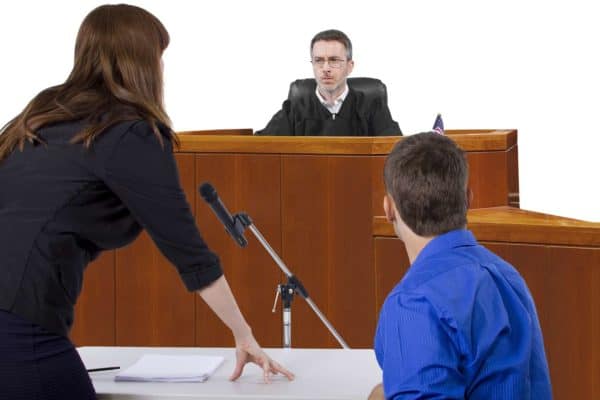
First, only those who cannot afford an attorney are provided a public defender. If you aren’t experiencing financial hardships, you will need to hire an attorney or go without one, which is never a good choice.
If you have the option of a public defender, know that while many people mistakenly believe public attorneys aren’t as high quality as private ones, that’s a myth. A hardworking lawyer dedicated to your case will help you whether he is part of the public defender’s office or a privately-hired defense lawyer. Unfortunately, you cannot be assigned a public defender until you have been charged with a crime.
If you are under investigation, a criminal defense attorney can help protect your rights or even uncover evidence to backup your defense. These actions can make a significant difference in helping you fight the charges or ensure charges are never filed. A public defender cannot help you at this stage since they cannot be assigned until after the charges are filed.
Also, you cannot pick your public defender, but you have your choice when it comes to selecting the right private defense attorney you would like to work with.

Is a Private Defense Attorney Worth the Money?
Most criminal charges carry significant fines and if your criminal lawyer can help reduce the penalties or help you prove your innocence, that alone may be worth the cost of their services. Of course, avoiding or reducing a potential prison or jail sentence is also worth the cost, especially if you avoid the conviction altogether.
Peter M. Liss offers both reasonable rates and accepts all major credit cards, so financial concerns should come secondary to protecting your rights and proving your innocence.
Should I Work With a Big Firm or Solo Practitioner?
There are many benefits to working with a solo practitioner. You’ll always know who is handling your case, and they’ll be more dedicated to your case’s outcome. Plus, large firms have a lot more overhead, meaning they’ll typically be a lot more costly.
But the majority of individuals hiring a lawyer don’t have much choice between solo practitioners and big firms, as most large firms are highly selective about their clientele and focus solely on white collar crimes.
In fact, many criminal law “firms” advertising on search engines are just internet-based law referral companies that contract cases to outside lawyers. While these firms may advertise with “San Diego” keywords, they often contract with attorneys outside the county who know little about San Diego courts and local practices. When you call these companies, the person answering the phone will usually be a salesperson trying to convince you to use their “firm” through scare tactics or false and unethical statements. If a lawyer ever makes you a promise about your case result, it’s a good sign that you should call someone else.

When Should I Call an Attorney?
The best time to call a lawyer is as soon as you have been accused of a crime or suspect you may be under investigation. Call as soon as:
Someone Accused You of a Crime
If another person accuses you of committing a crime, avoid talking to them and contact a lawyer immediately. Your attorney can represent you if the police become involved and, in some cases, mediate things between you and the accuser to avoid police intervention. In sexual assault and child molestation cases, call and hire a lawyer immediately if someone has accused you. The police often set up a recorded call between the victim and the suspect to get the suspect to admit to committing the offense.
Police Start Investigating You
If police have told you that you are under investigation for a crime or you believe your are being investigated, contact a lawyer. An attorney can protect your rights in advance and may help you avoid having charges filed against you later on.
Police Ask to Search Your Property
Always refuse to let police search your property without a warrant. Refuse to let them into your home since they do not need a warrant if they see evidence of a crime in plain sight. In cases where police have requested to search your property, call a lawyer immediately after the police leave.
Police Present a Search Warrant
When the police have a warrant, ask to view it and review the details, such as the address and the permitted time of the search, before allowing them inside. If the search warrant is valid, let the officers in, even if you do not consent to the search. If the warrant is wrong, let them know your issue with the warrant and state that you do not consent to a search. If they still want to perform the search, allow them in because interfering could get you arrested, but provide this information to your attorney.
Ask if you can watch the search and, if so, film and photograph it. If they say you cannot witness the search, question if you are free to leave because the officers may also have a warrant for your arrest or may want to search you before you leave. Either way, do not answer any questions other than those relating to your identity and call your lawyer as soon as possible.
You Have Been Arrested
When you’ve been arrested, you’ll normally be brought into the station and booked. During this time, you can invoke your Fifth Amendment right and insist on having your lawyer present before answering any questions besides those related to your identity. However, you will not be able to call your attorney until after the booking. If you do not have an attorney already, you can call a relative or loved one and ask them to find a lawyer for you. If you have also been given the option of posting bail based on the state’s standard bail schedule, this is also when you will be able to do so.
Should You Talk to an Attorney Before Committing a Crime?
This is one case where you should wait to contact a lawyer. Telling your attorney about a crime you plan to commit in the future is one of the rare exemptions in lawyer/client confidentiality, meaning he will have to tell the court about your conversation if the crime is carried out.
You can ask general, hypothetical questions, for example, “What is the monetary value that determines if something is petty theft or grand theft?” But a conversation will not be protected if you ask something like, “I want to steal from someone, but want to make sure I am not charged with grand theft, how much can I take without crossing that line?”
If I Wasn’t Read my Miranda Rights, is What I Said Inadmissible?

Miranda warnings only have to be read if a suspect is under arrest and questioned. If the police do not question you after arrest, they do not need to Mirandize you. During the investigation, the police can ask you questions without a Miranda warning if you are free to leave.
How do Attorneys Defend Someone They Know is Guilty?
Lawyers like Peter Liss believe everyone deserves due process under the law, even if they are guilty. In many cases, they represent their client’s best interests by negotiating a plea bargain to minimize the penalties the defendant faces.
Notably, an attorney cannot ask a client to take the stand if he knows that person plans to lie. So even if an attorney knows the client is guilty, he cannot help that person commit perjury on the stand.
Can my Defense Attorney Help With my Divorce, Lawsuit, or Bankruptcy?
No. Just like a pediatrician wouldn’t be the right person to ask to perform anesthesia, lawyers specialize in specific fields and do not switch from one area to another. A defense lawyer cannot and should not offer legal advice for any other area of the law.
Have More Questions?
I Can Answer Them

If you have been accused of a crime, I can help you. I will be happy to answer any questions you may have about your charges, state laws or the justice process itself not covered in this list of criminal defense FAQ.
Convenience and Quality
Please call my offices today to schedule a free initial consultation. I offer top-rated representation for reasonable rates, accept all major credit cards, and have offices conveniently located across the street from the Vista courthouse and jail.
I’m available, let’s talkHow to Contact Attorney Peter Liss
For skilled, IMMEDIATE help with a DUI accusation, domestic violence charge or any other criminal offense, call Lawyer Peter M. Liss:
Call 24/7, any time, any day. I can help you.


