

Last Updated on September 10, 2024
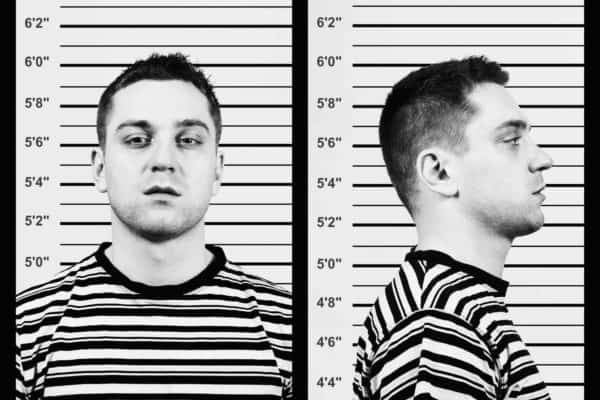
Mug shots are a valuable tool for police departments across the globe. They provide officers with an image of an individual accused of a crime, showing their height and their face from multiple angles. But just because they are useful for police records doesn’t mean that mug shots should be shared online for anyone to see —especially considering these images are taken before someone has been charged with a crime. To prevent those accused of non-violent offenses from being ostracized by members of the community, California has prohibited the sharing of these images on police social media accounts.
The Problem With Posting Mug Shots on Social Media
When police share an image of a wanted sex offender suspected of abducting a young child, there is unarguably a benefit to public safety. But when police social media accounts regularly post mug shots of low-level, non-violent offenders regularly, particularly with an entertaining weekly theme like “Wanted Wednesdays,” “Turn Yourself In Thursdays,” or “Felony Fridays,” the benefit to the public is less pronounced.
The minimal benefit to the public from these social media posts is certainly not equal to the potential problems those in the images face. It’s not uncommon for those with their mug shots shared online to lose their jobs, be harassed by vigilantes, suffer damage to personal relationships, and more.
Again, this may be a worthwhile trade-off for those accused of a dangerous felony but not for someone accused of a minor offense. When a person has been charged with a crime like a probation violation, missing a court date, shoplifting or other minor, non-violent offense, it’s simply unacceptable to put the suspect’s safety and reputation in danger.
Sharing these images is particularly problematic, given that most people featured in mug shots have not yet been convicted of a crime. Ultimately, this practice violates a suspect’s due process rights by publicly punishing and shaming them for a crime before they have even had a chance to fight the charges.
To make matters worse, police departments rarely remove these posts, even after those featured in the image have been cleared of the charges or served their time. Having a mug shot featured on a police social media account can continue to affect a person’s ability to make positive personal connections, find housing, and obtain a good job for years to come.
A Real Life Example
The LA Times documents the story of Matthew Jacques, who had a warrant issued for his arrest after missing a few DUI classes. He went to court and resolved the matter, only to have the Manhattan Beach Police Department post his image on their social media accounts eight days later, claiming he was a wanted man. He was almost immediately identified, and his place of work was posted in the comments. Jacques called out of work just before vigilantes started appearing at the bar where he worked.
Eventually, the police department updated the post by writing nothing more than “**UPDATE** Mr. Jacques cleared his warrant. Thank you”. Jacques later successfully sued the city and police department for defamation. The matter was settled after fifteen months for an undisclosed sum —only then did the department remove his wanted sign from online. In the meanwhile, Jacques lost his job for fear of retaliation from vigilantes.
California Prohibits Law Enforcement From Sharing Mug Shots
Because of situations like those faced by Jacques, California enacted AB 1745 in 2021. The law prohibits law enforcement agencies from sharing most mug shots of non-violent offenders on social media accounts. To help protect the public, police can still post mug shots of those considered fugitives or imminent threats to public safety, but only if the photo could help locate the suspect or there are “exigent circumstances.”
Even with these exemptions, the law was highly praised by the ACLU, California Public Defenders Association, and private defense attorneys around the state. These groups were united in their agreement that publishing mug shots online is a method of punishing those not yet found guilty. Many activists worry that this practice could also result in a biased jury.
Although the law did not require police to remove previously posted images of those accused of non-violent crimes, it did require them to remove images of those found not guilty, who had their records sealed, or those who had a conviction dismissed, pardoned, or expunged. Beyond that, the state later passed a related bill, AB 994. This bill requires officers to remove all mug shots (including those of violent offenders) within 14 days of the date they are shared.
A Change in Perspective on Mug Shots
Long ago, it wasn’t uncommon for newspapers to publish the names of people who had checks bounce at local businesses. But that form of public shaming didn’t help people add money to their bank accounts or stop people from bouncing checks. Instead, it just embarrassed low-income community members and those who made simple financial mistakes.
The same thing happens when newspapers share the names and photos of those who have been accused, but not convicted, of a low-level crime. There is no benefit to the community to know that a non-violent offender missed a court date, got arrested for shoplifting, or the like. In fact, in many cases, the news story is simply a form of entertainment, in “dumb criminal” or “Florida Man” stories, for example. The Associated Press has even announced that they will no longer share the names or mug shots of those accused of low-level crimes.
More Changes Need to be Made
While it is good that the Associated Press has announced that it will stop publishing this information, that does not mean news outlets everywhere have agreed to the change. Often, the arrest of a person ends up on social media because the police disclose arrests to the media.
This practice causes considerable long-term damage to the reputation of individuals accused of but not convicted of crimes. Unfortunately, it offers limited societal benefits. The legislature should follow up the mug shot restrictions by passing laws to prohibit arrests for minor crimes from being made public at all.
If you have been accused of a crime, the publicity could impact your ability to find an unbiased jury. Always work with an experienced criminal defense lawyer like Peter M. Liss to protect your rights and privacy. You can contact his offices to schedule a free initial consultation by calling (760) 643-4050.


