


As the internet has become a standard part of our lives, judges have tried to figure out how our existing laws and precedents apply in the digital age. The courts must balance law enforcement’s need to investigate crimes with the Constitution’s protections against unreasonable search and seizure. Similarly, they must balance the government’s interest in […]
Wiretapping and Unauthorized Call and Conversation Recording Laws in California

California is a two party consent state, meaning it is illegal to listen to other people’s conversations or record a conversation without the consent of all parties involved. California Penal Code section 631 (PC) prohibits wiretapping another person’s phone, while 632 (PC) prohibits eavesdropping and unauthorized recording —but there are exceptions to both of these laws. […]
Is Jury Nullification Legal in California?
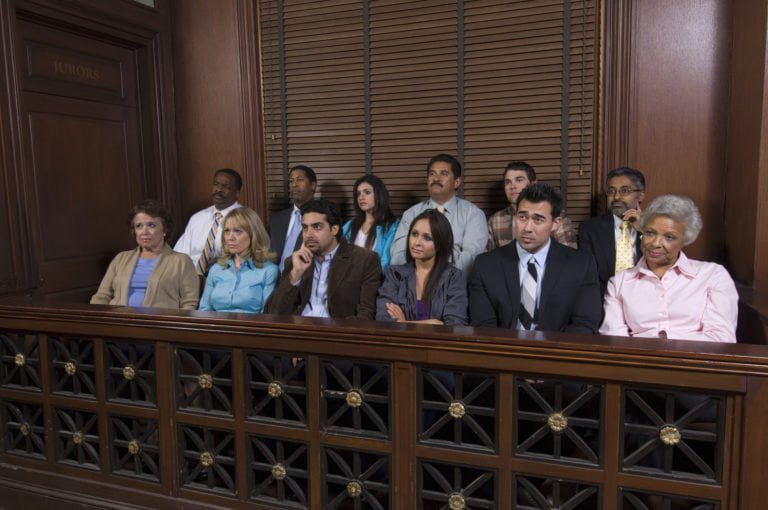
Sometimes the law is unjust. The law itself may be morally reprehensible, the penalties may be too harsh for the crime, or an ordinarily reasonable law may seem unfair in a particular case. In these cases, jurors may sometimes resort to a practice known as jury nullification, meaning they base their verdict not on the […]
What Does it Mean to Instruct Jurors in a Trial?

Jury instructions can dramatically impact a criminal case because they tell the jury how they should apply the law to determine whether the facts indicate that the defendant committed a given crime.
Attempted Murder Charges Can be Difficult to Prosecute in California

Attempted murder charges are very serious, but you can defend yourself as long as there is not enough proof that you were actually attempting to kill the victim.
What’s the Difference Between Different Types of Attorneys?

Have a hard time differentiating between prosecutors, defense lawyers, public defenders and judges? Here’s what you should know before you head into court.
Are Lawyers Allowed to Lie on Behalf of Their Clients?

There are probably hundreds of jokes about lawyers lying for a living, but no matter what public opinion, legal standards prohibit attorneys from knowingly telling a lie. If a lawyer lies, he is risking his law license. The American Bar Association’s (ABA) Model Rules of Professional Conduct specifically says that while they must do what […]
How Lawyer May be Able to Get a Confession Thrown Out of Court in Vista

We’ve previously talked about how police push suspects into confessing to criminal acts, but while it’s always better not to confess the first time, you can still fight the charges even if you have already admitted guilt. Here are a few ways a criminal defense lawyer may be able to have a confession tossed out […]
Better Understanding the “Plain Sight” Doctrine

All Americans are protected against unreasonable search and seizure thanks to the Fourth Amendment, but defining what qualifies as unreasonable is a complex process. That’s where the plain view doctrine comes in -it states that police can search your home or vehicle without a warrant if they see evidence of a crime in plain sight. […]
Patient and Physician Confidentiality in the Criminal Courts

There are many relationships given special confidentiality protections in the courts: lawyer/client, therapist/patient, spousal, priest/confessor and doctor/patient. Like all of these protected communications, there are many rules that cover how physician confidentiality works when it comes to the criminal courts, including the nature of the information and how it will be used. Not Everything You […]


