


For you to be charged with a crime, police must find enough evidence to indicate your guilt. For the charges to result in a conviction, the evidence must be strong enough to prove your guilt beyond a reasonable doubt. While the California and US Constitutions protect citizens from illegal and unreasonable search and seizure, police […]
Civil Asset Forfeiture in California
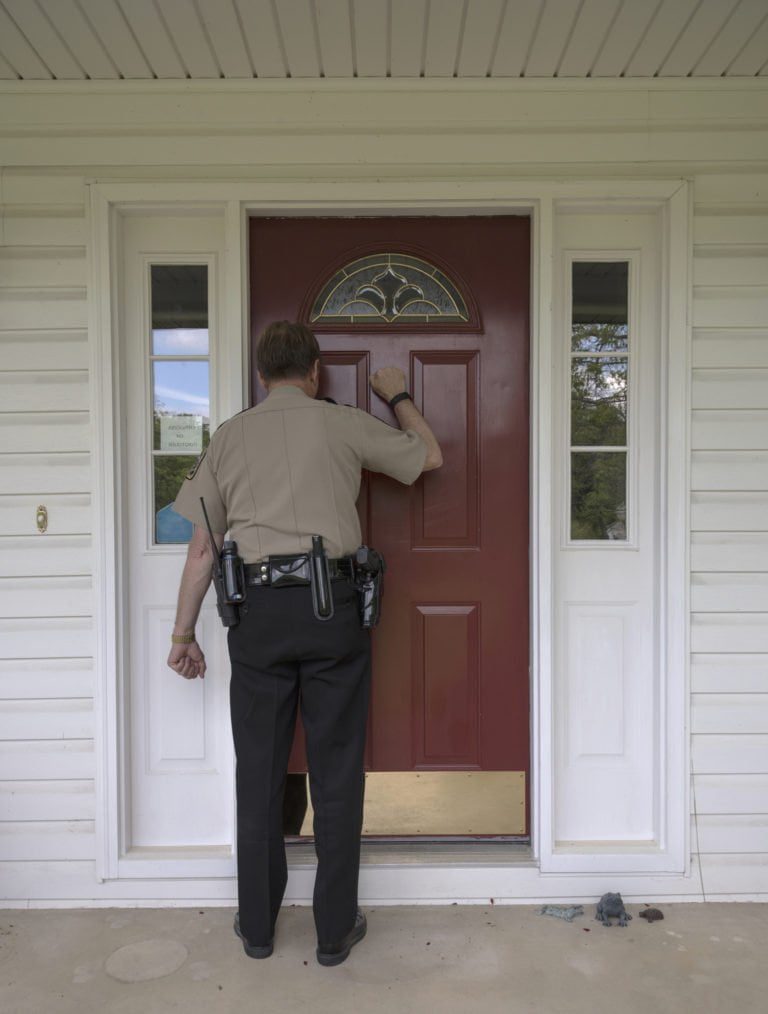
When someone is accused of a crime, they will typically be arrested and charged in court. Strangely, if any physical property is believed to be tied in with the crime, it too may end up heading to the police station under the asset forfeiture laws of California. This strange process has its roots in English […]
What are the Laws Regarding Warrants and Cell Phone Searches?

There was a time when cell phones simply stored phone numbers and records of when calls took place, but a modern cell phone can now provide police with banking records, photos, email conversations, texts, internet search histories, a person’s location history and more. This is why the United States Supreme Court has been ruling on […]
What to Do (and Not Do) During an Arrest

Protecting your rights starts from the first time you speak with a police officer, which is why it’s important to remain silent when you’re being placed under arrest.
Better Understanding the “Plain Sight” Doctrine

All Americans are protected against unreasonable search and seizure thanks to the Fourth Amendment, but defining what qualifies as unreasonable is a complex process. That’s where the plain view doctrine comes in -it states that police can search your home or vehicle without a warrant if they see evidence of a crime in plain sight. […]
Putting an End to Police Pretext Stops in Vista and San Diego

Police can stop motorists for many reasons, including minor issues such as not using a turn signal, having a broken tail light, having window tinting on your windows, or similar issues. These stops for small infractions are considered “pretextual” stops because police usually use these issues as a pretext to hopefully find evidence of some […]
Maybe Rabbits Shouldn’t Be Police Officers in the World of Zootopia

The world of Zootopia is an inspirational tale about overcoming prejudice and stereotypes to make a better, more inclusive world. But when the protagonist is the city’s first bunny police officer, who happens to break the law and put the public at risk more often than not, it undermines the positive message she should be […]
What to do When You are Being Investigated & Signs it’s Happening

In television and movies, the suspect almost always knows the police are investigating them and acts accordingly. But in real life, things are rarely so obvious. You do not legally have to be informed of an investigation, and police often prefer not to notify someone that they are a suspect until they formally charge them […]
If Drugs are Found in a House, Who is Responsible?

One of the most common things people say when police confront them with drugs found in a search is, “those aren’t mine.” While drug possession lawyers suggest never talking to the police without an attorney present, you can sometimes successfully fight drug charges on the grounds that they weren’t actually yours. This defense is a good option […]
When is Evidence Admissible Vs. Inadmissible?

Criminal cases are based on evidence. Because the U.S. Constitution guarantees that defendants are innocent until proven guilty beyond a reasonable doubt, the evidence presented by the prosecution must be enough to outweigh that offered by the defense. Not everything can be used as evidence though, and many rules determine the admissibility of evidence in […]


